

Let’s be honest, for many of us, the hunt for a new SUV in the United States often boils down to a few key factors: space, utility, and increasingly, that ever-present question lingering in the back of our minds – “How much is this thing going to cost me at the pump?” It’s not just about the upfront price tag anymore; the ongoing expense of fuel has become a major consideration, especially with the way gas prices seem to play hopscotch.

But here’s the thing about SUV mileage comparison USA: it’s rarely as straightforward as glancing at a sticker. What fascinates me, and what I want to peel back layers on today, isn’t just which SUVs get good mileage, but why the numbers we see often don’t match our real-world experience, and what that truly means for your wallet and your lifestyle. We’re going beyond the basic statistics to uncover the hidden context that truly matters.
Beyond the Sticker | Why EPA Estimates Don’t Tell the Whole Story

When you walk into a dealership or browse online, the first number you typically see is the EPA-estimated miles per gallon (MPG). These figures, while standardized and useful for general comparison, are often just the starting point of a much more complex conversation. I initially thought this was straightforward, but then I realized that the testing environment a controlled lab setting can be vastly different from your daily commute through rush hour traffic, up and down hills, or during a weekend road trip.
So, why does this matter? Well, your real-world MPG can differ significantly. Factors like your driving habits (are you a lead foot or a gentle accelerator?), the terrain you frequently drive on, how often you use air conditioning, and even your vehicle’s maintenance schedule (tire pressure, air filter cleanliness) all play a crucial role. According to theEPA Fuel Economy Guide, these variables can lead to discrepancies. It’s not about the EPA being wrong; it’s about understanding the context.
Let’s consider the different powertrains influencing SUV fuel efficiency. Traditional gasoline engines are getting more efficient, but hybrids and electric vehicles are truly shifting the paradigm. Hybrid SUV MPG figures, for example, often look stellar, especially in city driving where regenerative braking can shine. Then you have electric SUV range, which eliminates gasoline entirely, but introduces questions about charging infrastructure and battery degradation over time. Understanding these nuances is key to a meaningful SUV mileage comparison USA.
The Numbers Game | Deciphering SUV MPG Across Segments
Alright, let’s talk categories because an SUV isn’t just an SUV anymore. We have compact, mid-size, and full-size options, and their fuel economy profiles vary dramatically. It’s illogical to compare a subcompact crossover to a three-row behemoth and expect similar results, yet people often just look for ‘best mileage’ without segmenting.
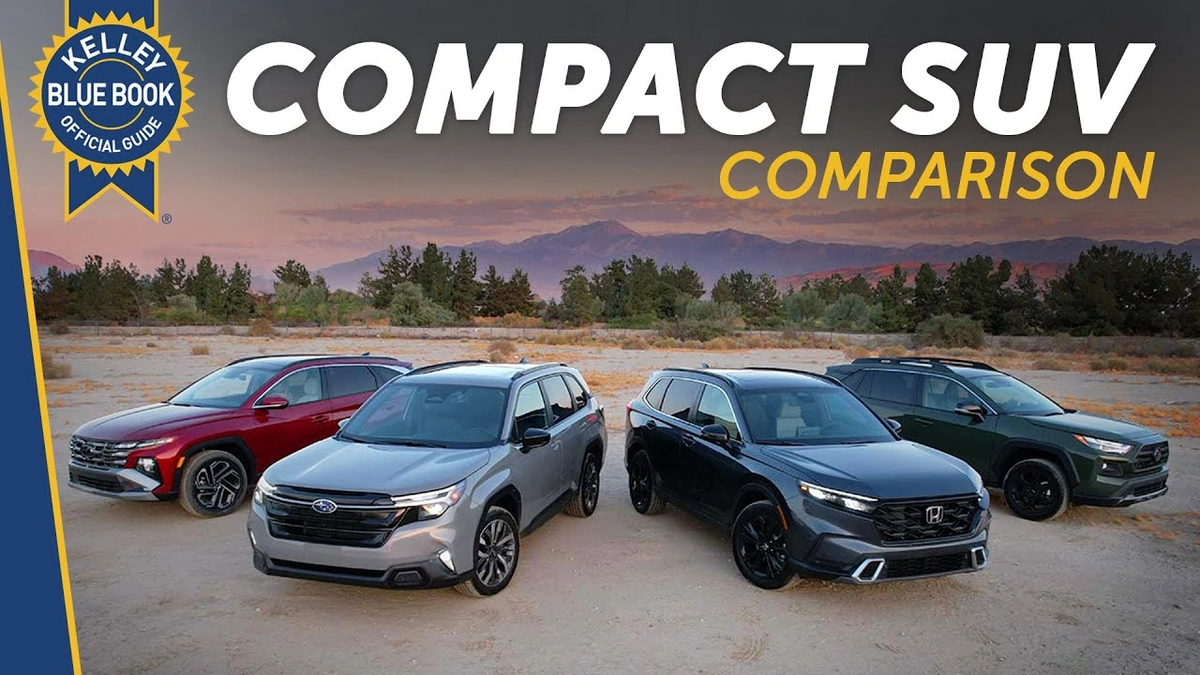
For compact SUV fuel economy, we’re often talking about vehicles like the Honda CR-V or Toyota RAV4 (or their hybrid counterparts), which can frequently achieve 28-35 MPG combined. These smaller, lighter vehicles inherently require less energy to move, making them generally the best gas mileage SUVs in the non-hybrid class. They’re popular for a reason – they blend utility with reasonable operating costs.
Step up to mid-size SUV efficiency, and you’ll typically see numbers drop a bit. Think Kia Telluride, Ford Explorer, or Jeep Grand Cherokee. Here, you’re usually looking at a combined MPG in the low to mid-20s for gasoline models. The added size, weight, and often more powerful engines contribute to this. However, this is also where plug-in hybrids are starting to make a significant impact, offering impressive electric-only range before switching to hybrid mode, drastically improving their overall SUV fuel economy metrics.
Finally, there are the full-size SUVs, vehicles like the Chevrolet Tahoe, Ford Expedition, or Cadillac Escalade. These are designed for maximum passenger and cargo capacity, often with towing in mind. As you might expect, their full-size SUV mileage is usually the lowest, often in the high teens or very low 20s. For these, the cost of ownership SUV conversation extends far beyond just gas, incorporating tire wear, insurance, and maintenance. The sheer physics of moving such a large mass means more fuel is consumed, plain and simple.
The “Hidden Costs” of Fuel Efficiency | What Manufacturers Don’t Emphasize
Here’s where the true analyst in me kicks in. We talk about best gas mileage SUVs, but what about the hidden costs that creep up? It’s not just about the fuel you put in; it’s the overall financial ecosystem of owning the vehicle. I’ve seen too many people fixate on MPG alone, only to be surprised by other expenses.
Consider the purchase price. Often, the most fuel-efficient versions of an SUV, particularly hybrids or EVs, come with a higher sticker price. While you might save at the pump, it could take years for those fuel savings to offset the initial premium. This is a critical part of the long-term cost of ownership SUV. Don’t forget maintenance either; hybrid batteries eventually need replacement, and while EVs save on oil changes, they might have higher tire wear due to instant torque or specialized battery coolant systems.
Then there’s the SUV resale value. A vehicle that maintains its value well over time can significantly reduce your overall ownership cost, regardless of its MPG. Sometimes, a slightly less fuel-efficient but highly reliable model might offer better long-term financial sense than a hyper-efficient one with notoriously poor depreciation. It’s a balance, and one that requires looking beyond just the immediate fuel savings. For more insights into broader consumer trends and smart financial decisions, you might find value in exploring resources like USTrendsNow .
Making the Smart Choice | Practical Tips for Maximizing Your SUV’s Fuel Economy
So, you’ve picked your SUV, you understand the nuances of EPA vs. real-world figures, and you’re aware of the hidden costs. Now, how do you make sure you’re getting the absolute most out of your vehicle? Because even the most efficient SUV can guzzle gas if not driven thoughtfully.
Here are some actionable fuel efficiency tips I always recommend:
- Gentle Acceleration and Braking: Jackrabbit starts and hard stops are major fuel killers. Smooth, gradual inputs are your friend. Think about gliding rather than jerking.
- Maintain Proper Tire Pressure: This one is huge, and often overlooked! Under-inflated tires increase rolling resistance, making your engine work harder. Check your owner’s manual for the correct PSI.
- Reduce Excess Weight: Do you really need that golf club set or those bags of concrete mix always in the trunk? Every extra pound reduces SUV fuel economy.
- Avoid Excessive Idling: If you’re going to be stopped for more than 30 seconds, turning off the engine can save fuel. Many modern SUVs have stop-start systems that do this automatically.
- Plan Your Routes: Combining trips and avoiding heavy traffic can significantly reduce your time spent idling and accelerating, improving overall SUV mileage comparison USA.
Technological advancements like cylinder deactivation, which shuts down cylinders when not needed, and sophisticated engine management systems are continuously improving base fuel economy. But ultimately, the driver plays an immense role. You have more control than you might think!
The Future of SUV Efficiency | What’s Next for America’s Favorite Vehicles?
Looking ahead, the landscape for SUV fuel efficiency is only going to get more dynamic. With increasing environmental concerns and stricter emissions standards, manufacturers are pouring resources into electrifying their lineups. We’re seeing a rapid expansion of electric SUV range models, not just luxury options, but increasingly mainstream choices that are more accessible. This shift fundamentally alters the SUV mileage comparison USA conversation from gallons per mile to miles per kilowatt-hour, and from gas stations to charging stations.
The growing emphasis on the environmental footprint of vehicles means that factors beyond just fuel economy, such as manufacturing processes and battery recycling, are becoming part of the purchase decision. It’s a holistic view, reflecting a deeper understanding that our choices have broader implications. What used to be a niche market is rapidly becoming the new normal, driven by innovation and consumer demand for cleaner, more cost-effective transportation. To keep up with these evolving trends and how they might impact your future purchases, consider staying informed through general consumer and market analyses, such as those found on USTrendsNow .
Ultimately, choosing the right SUV isn’t just about the number on the sticker, or even the initial purchase price. It’s about understanding the entire ownership cycle, from how you drive, to how it’s maintained, to its long-term value, and its broader impact. When you’re next pondering an SUV mileage comparison USA, remember to look deeper than the surface. The real savings, and the real satisfaction, come from an informed choice.
Frequently Asked Questions About SUV Mileage
How accurate are EPA mileage estimates for SUVs?
While EPA estimates provide a standardized baseline for SUV mileage comparison USA, they are generated under controlled lab conditions. Your actual mileage, or real-world MPG, will vary based on driving habits, terrain, maintenance, and vehicle load. They’re a good guide, but not a guarantee.
Do hybrid SUVs really save that much on gas?
Generally, yes, hybrid SUV MPG can offer significant fuel savings, especially in city driving where their electric motors and regenerative braking are most effective. Over the long term, these savings can be substantial, though you should factor in the potentially higher initial purchase price and future battery considerations as part of your overall cost of ownership SUV.
What’s the biggest factor affecting my SUV’s actual mileage?
Your driving style is arguably the biggest factor. Aggressive acceleration, speeding, and frequent hard braking can dramatically decrease your SUV fuel economy. Maintaining consistent speeds and driving smoothly can improve your mileage by a surprising amount.
Should I consider an electric SUV for better long-term savings?
An electric SUV range can offer substantial long-term savings on fuel (electricity is generally cheaper than gasoline per mile) and often lower maintenance costs. However, consider the higher upfront purchase price, available charging infrastructure, and the environmental footprint associated with battery production and disposal.
Are there certain driving habits that hurt my SUV’s fuel economy?
Absolutely. Habits like rapid acceleration, driving at high speeds, carrying unnecessary weight, using air conditioning excessively, and driving with underinflated tires all significantly reduce your SUV fuel economy. Implementing simple fuel efficiency tips can make a big difference.


