

Let’s be honest, the dream of owning a home in the United States often comes with a hefty dose of reality: the dreaded down payment. For many, saving up 20% (or even 10%) of a home’s price feels like an insurmountable hurdle, pushing the American dream further and further out of reach. You’ve probably heard whispers of “no money down” loans or zero down payment mortgage options USA, and a little voice in your head, understandably, wonders: is that even legit?

Here’s the thing: that voice isn’t wrong to be skeptical. In a world full of too-good-to-be-true offers, a mortgage with no money down can sound like a scam straight out of a late-night infomercial. But what fascinates me, and what I want to dive into today, is the profound why behind these programs. These aren’t mythical creatures; they’re very real, government-backed initiatives designed to solve a fundamental economic and social problem. They represent a deliberate effort to make homeownership accessible, not just for the privileged few with deep pockets, but for a broader spectrum of American citizens. Understanding why they exist and why they’re structured the way they are is key to separating fact from fiction and realizing your own homeownership dreams.
The Down Payment Dilemma | Why It Feels So Out of Reach

For generations, the 20% down payment has been the gold standard. It’s what you were told you needed, what your parents saved for, and what seemingly unlocks the best mortgage rates. And yes, a 20% down payment does offer significant advantages: lower monthly payments, instant equity, and avoiding private mortgage insurance (PMI). But let’s look at the numbers for a moment. With median home prices in many areas soaring past $400,000, that 20% translates to an $80,000 down payment. Eighty thousand dollars! For most working families, particularly first-time homebuyers, accumulating that kind of cash while also paying rent, student loans, and everyday expenses feels less like a goal and more like a fantasy.
This financial barrier isn’t just an inconvenience; it’s a systemic challenge. If a large segment of the population is effectively priced out of buying a home solely due to the down payment, it impacts everything from economic stability to wealth accumulation and community development. So, why do we keep hearing about 20% down as the ideal? Because it traditionally signifies less risk for the lender. But as the market evolves and financial realities shift, innovative solutions must emerge to bridge this gap. And that’s precisely where legit zero down options step in.
Cracking the Code | The “Why” Behind Legit Zero Down Payment Mortgage Programs
The beauty of the American housing market is its diversity, and part of that diversity includes programs designed for specific populations or economic needs. These aren’t loopholes; they’re purposeful programs. Let’s break down the main players:
1. VA Loans | Honoring Service with Homeownership
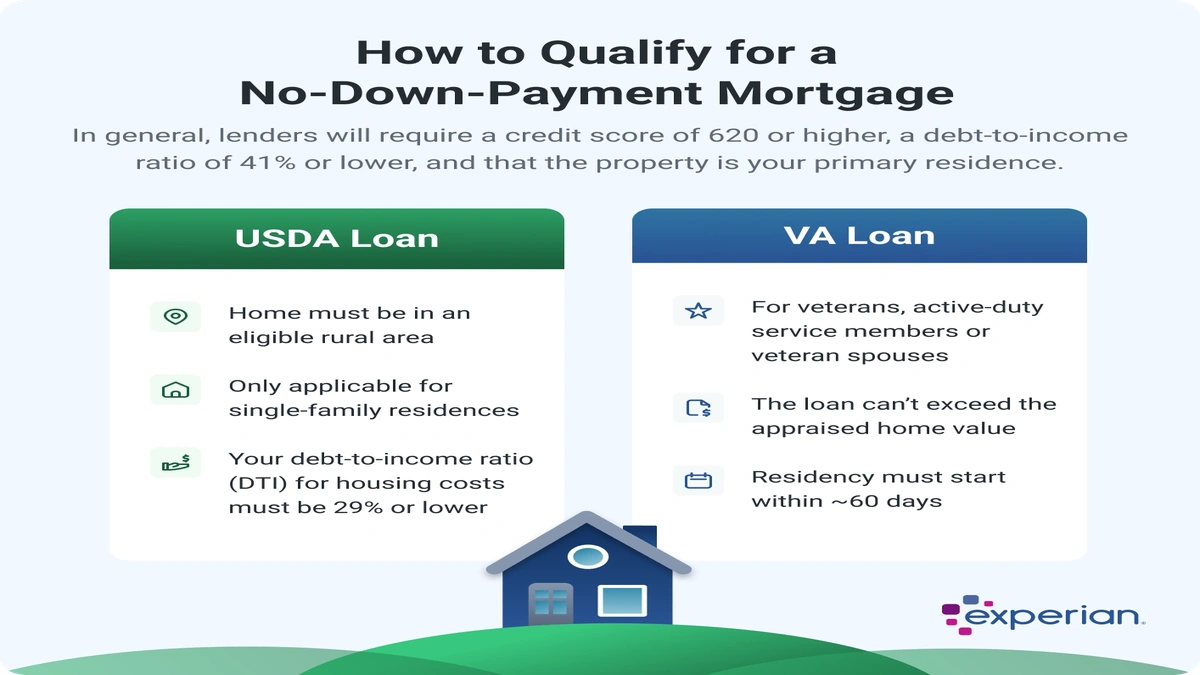
The VA loan program is perhaps the most well-known and powerful zero down payment mortgage option available. Why do they exist? Simple: to honor the service of our nation’s veterans, active-duty service members, and eligible surviving spouses. It’s a benefit earned through dedication and sacrifice. The Department of Veterans Affairs doesn’t lend the money directly (typically), but guarantees a portion of the loan for private lenders, significantly reducing their risk.
The implications are huge: no down payment is required, and, crucially, no private mortgage insurance (PMI) is required, which saves borrowers hundreds of dollars a month. While there’s a VA funding fee, it’s often rolled into the loan. The loan eligibility for VA loans is tied directly to service history, making it a powerful, well-deserved pathway to homeownership for those who have served.
2. USDA Rural Development Loans | Investing in Community Growth
You might be surprised by this one, but the USDA (U.S. Department of Agriculture) offers its own incredible program. Why does the USDA get involved in housing? Because fostering vibrant, stable communities in rural areas is central to their mission. The USDA rural development loan program (specifically the Single Family Housing Guaranteed Loan Program) aims to help low- and moderate-income individuals purchase homes in eligible rural areas. It’s truly a no money down option.
The why here is about economic development and population distribution. By making homeownership more accessible in these regions, the USDA helps strengthen local economies and ensures that rural America remains a viable and attractive place to live and work. The program has specific property location and income limits, which are vital to understanding if you qualify. This isn’t just about individual homeownership; it’s about strategic community investment.
3. Down Payment Assistance (DPA) Programs | The Local Lifeline
While not strictly zero down payment mortgage options, Down Payment Assistance (DPA) programs can effectively make your out-of-pocket down payment zero. Why do these exist? Because state housing finance agencies (HFAs) and local governments recognize the down payment as a primary barrier to homeownership in their communities. These programs often provide grants or second mortgages that cover some or all of your down payment and/or closing costs.
The implications are profound. A DPA program can be combined with other conventional or FHA loans (which typically require a low down payment, like 3.5% for FHA). This means you might get an FHA loan with its small down payment requirement, and then a DPA program covers that small down payment, making your actual out-of-pocket contribution essentially zero. These programs are often tailored to first-time homebuyer programs and typically have income limits and require specific loan eligibility criteria, so doing your homework on your local offerings is crucial. For more insights on financial strategies, you might find valuable information at ustrendsnow.com .
Beyond the Hype | What No Money Down REALLY Means for You
Now, let’s inject a dose of expert analysis. While zero down payment mortgage options USA legit are absolutely real, it’s critical to understand that “no down payment” doesn’t mean “no costs.” This is where many people get tripped up, thinking it’s a free ride. It’s not. Here’s what you need to know about the deeper implications:
The Reality of Mortgage Insurance
Why does mortgage insurance exist? Because when you put less than 20% down, the lender is taking on more risk. So, to protect themselves, they require mortgage insurance. For FHA loans, this is called Mortgage Insurance Premium (MIP) and includes both an upfront and an annual premium. For conventional loans with a low down payment, it’s Private Mortgage Insurance (PMI). While VA loans are unique in waiving this, USDA loans do have an upfront guarantee fee and an annual fee.
The implication for you: while you might not have a down payment, you’ll likely have an extra monthly cost in the form of mortgage insurance. It’s a trade-off, a way to spread the risk and make lower down payments feasible. It’s part of the fabric of how these mortgage options USA work, and understanding it is key to responsible home buying.
Credit Scores and Other Loan Requirements
Why are good credit scores and stable income still so important for zero down payment mortgage programs? Because while the down payment barrier is removed, lenders still need confidence in your ability to repay the loan. These programs, particularly VA and USDA, have specific credit score requirements, debt-to-income ratios, and employment history stipulations. They’re designed to help qualified borrowers, not to overlook financial stability.
It’s vital to remember that these are not subprime loans. They are robust financial products with clear guidelines and loan requirements. I’ve seen countless hopeful buyers realize their homeownership dreams by focusing on improving their credit and demonstrating financial health before applying. This is where a little preparation goes a long way.
Your Path to Homeownership | Navigating the Zero Down Landscape
So, you’re convinced that zero down payment mortgage options USA legit are within reach. Now what? The journey, while exciting, requires diligence and the right guidance. Here’s a quick guide:
- Assess Your Eligibility: Start by understanding if you qualify for VA or USDA loans based on service or location/income. If not, research first-time homebuyer programs and down payment assistance initiatives in your specific state or city.
- Boost Your Credit: A strong credit score will open more doors and potentially secure better rates, even with no money down options.
- Find a Knowledgeable Lender: Not all lenders specialize in these programs. Look for mortgage professionals who have extensive experience with VA, USDA, and local DPA programs. They can help you navigate the nuances.
- Understand the Full Cost: Get a clear picture of closing costs, potential mortgage insurance, and other fees involved. A VA loan can often roll some of these in, but it’s essential to ask. Similarly, for USDA loans, understand the guarantee fees. For FHA options, look at HUD’s official site.
The journey to homeownership can be complex, but armed with the right information and a clear understanding of why these programs exist, you’re in a much stronger position. Don’t let the 20% down payment myth deter you from exploring viable and reliable pathways to owning your own home. For more financial insights and tips, consider checking out ustrendsnow.com .
Frequently Asked Questions About No Down Payment Mortgages
Q1 | Are zero down payment mortgage options USA legit for everyone?
No, not everyone qualifies. These programs typically target specific groups, like veterans (VA loans), those in eligible rural areas with certain income levels (USDA loans), or first-time homebuyers through DPA programs. Each has specific loan eligibility criteria.
Q2 | Do VA loans or USDA loans have strict loan requirements?
Yes, while they offer no money down, both VA loans and USDA loans have specific requirements regarding credit scores, debt-to-income ratios, property eligibility, and income limits (for USDA). You’ll need to meet these to qualify.
Q3 | What are the hidden costs of no money down mortgages?
The main ‘hidden’ cost is usually mortgage insurance (PMI or MIP) or guarantee fees (for USDA loans), which protect the lender when you have less equity. You’ll also still be responsible for closing costs, though some DPA programs can help cover these.
Q4 | Can first-time homebuyers really get a no down payment loan?
Absolutely! Many first-time homebuyer programs are designed precisely for this purpose. They often combine with FHA loans (which require only 3.5% down) and then use down payment assistance programs to cover that initial percentage, making your out-of-pocket cost effectively zero.
Q5 | How do I find down payment assistance programs in my state?
Your state’s Housing Finance Agency (HFA) website is the best place to start. They typically list all available down payment assistance and first-time homebuyer programs. A knowledgeable local mortgage lender specializing in these programs can also be an invaluable resource.
So, the next time you hear someone say zero down payment mortgage options USA aren’t real, you’ll know better. They are not only legitimate but are essential components of our housing finance system, specifically designed to open doors that would otherwise remain closed. The key, as always, is thorough research, understanding the why behind the rules, and partnering with experts who can guide you every step of the way. Your homeownership dreams are closer than you think.


