

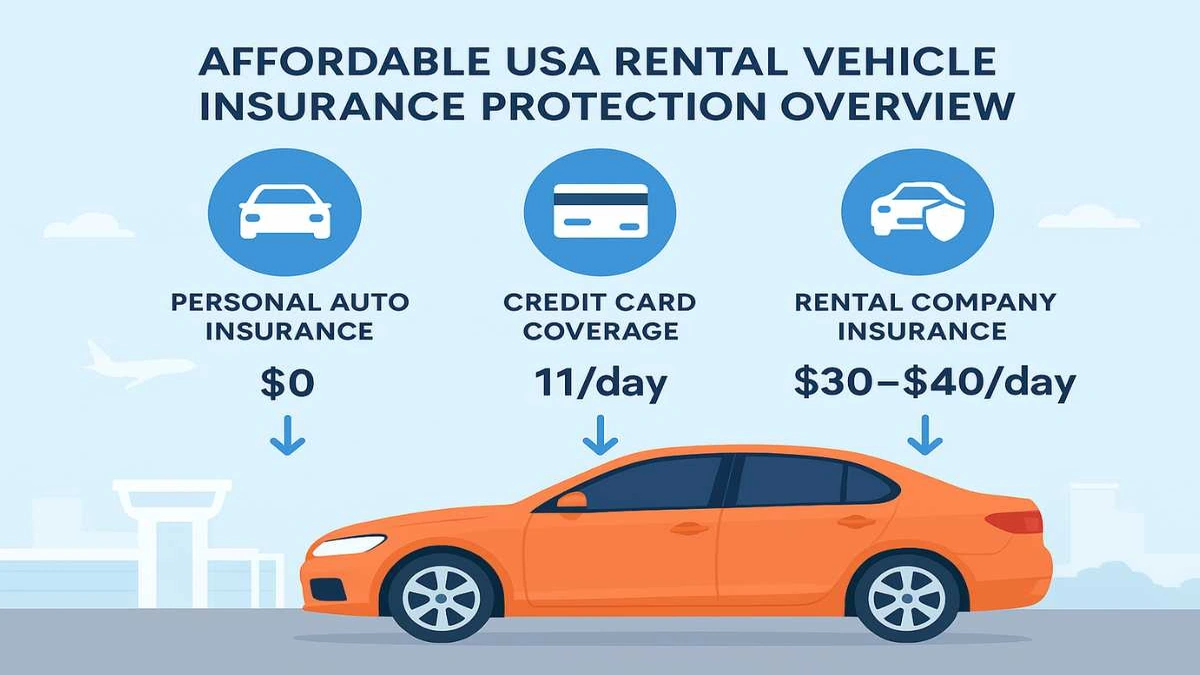
Let’s be honest: finding cheap full coverage car insurance USA feels a bit like searching for a unicorn, doesn’t it? We all want the peace of mind that comes with robust protection for our beloved rides, but we absolutely dread that monthly premium hitting our bank account. The sticker shock can be real. I get it. The good news? It’s not an impossible dream. In fact, it’s far more achievable than most people realize. You just need the right playbook.

My goal today isn’t just to tell you it’s possible. It’s to walk you, step-by-step, through how you can actually make it happen. Think of me as your personal insurance whisperer, sharing the insider strategies that companies often don’t highlight, simply because they might mean less money in their pocket. This isn’t about cutting corners; it’s about smart, informed decisions that genuinely save you money without sacrificing the coverage you need.
Decoding “Cheap” and “Full Coverage” | What It Really Means for You

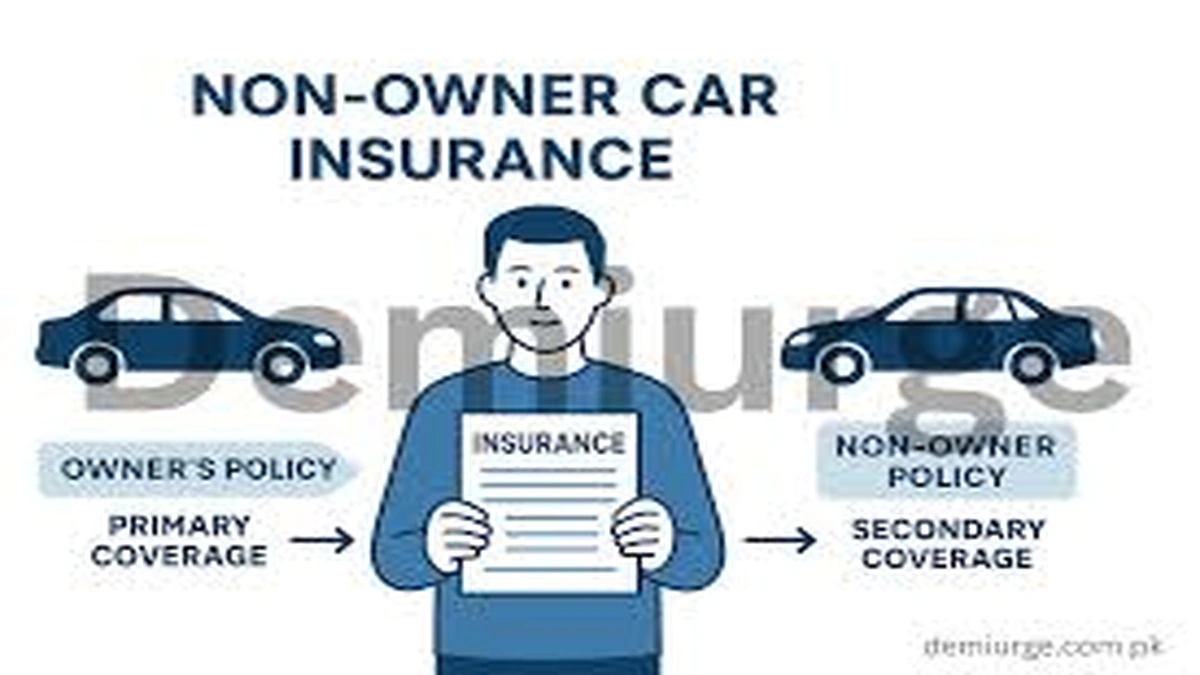
Before we dive into the nitty-gritty of savings, let’s clear up a common misconception. When we talk about “full coverage,” we’re not talking about a single policy type. It’s a convenient shorthand for a suite of policies that offer comprehensive protection. Typically, this includes:
- Liability Insurance: This is the bare minimum, often mandated by state law. It covers damages you might cause to other people or their property in an at-fault accident.
- Collision Coverage: This is where your car gets some love. It pays for damages to your own vehicle if you hit another car, a tree, or even just a particularly aggressive parking curb. It doesn’t matter who’s at fault.
- Comprehensive Coverage: Think of this as protection against everything else. Theft, vandalism, fire, natural disasters, hitting a deer – if it’s not a collision with another vehicle, comprehensive likely has your back.
And “cheap”? That’s subjective, right? For some, it means the lowest possible premium. For others, it means getting incredible value for their dollar. My focus is on the latter: maximizing your coverage while minimizing your financial outlay. It’s about finding affordable auto insurance that truly protects you without causing budgeting nightmares.
The Insiders’ Playbook | Proven Strategies to Slash Your Premiums
This is where the rubber meets the road. These are the actionable tactics that can significantly bring down your car insurance rates , even for robust full coverage.
Shop Around Like a Pro | Get Multiple Online Insurance Quotes
This might sound obvious, but you’d be surprised how many people just renew with their current provider year after year, often leaving hundreds, if not thousands, of dollars on the table. Here’s the thing: insurance companies use incredibly complex algorithms to determine rates, and what one company considers a high risk, another might view more favorably. Your demographic, your car, your driving history – it all plays into a unique formula for each insurer.
The single most impactful thing you can do is compare. Don’t just get one quote; get three, five, even seven! Use online comparison tools, or call local agents. Dedicate an afternoon to it. Trust me, that effort could yield substantial long-term savings. I’ve seen it time and again where a quick 20-minute online session saves someone hundreds. Remember to compare apples to apples – make sure the coverage limits and deductibles are identical for each quote.
Unlock Those Discounts | You’re Probably Missing Out
Insurance companies love to offer discounts, but they’re not always going to proactively tell you about every single one you qualify for. It’s on you to ask! Here are some common categories for insurance discounts :
- Bundling: This is a big one. If you have homeowners or renters insurance, bundle it with your auto policy. This often provides a significant discount on both policies.
- Multi-Car Discount: Insuring multiple vehicles with the same company.
- Good Driver Discount: A clean driving record for a certain number of years.
- Safe Vehicle Discounts: Anti-theft devices, anti-lock brakes, airbags, and even newer safety features can earn you a break.
- Student Discounts: Good grades, defensive driving courses, or being away at college without a car can all help.
- Payment Method: Paying in full, opting for auto-pay, or choosing paperless billing often come with small but cumulative discounts.
- Telematics/Usage-Based Insurance: Programs where a device monitors your driving habits (speed, braking, mileage). If you’re a safe driver, this can lead to lower rates.
Seriously, make a list and go through it with your agent or during your online quotes process. You might be surprised by how many you’re eligible for.
Adjusting Your Deductible | A Calculated Risk
Your deductible is the amount you pay out of pocket before your insurance kicks in for a claim. A higher deductible almost always means a lower premium. For example, moving from a $250 deductible to a $1,000 deductible can significantly reduce your monthly payments.
This is a calculated risk, though. If you have an accident, you need to be sure you can comfortably cover that higher deductible. It’s a trade-off: save money now, but be prepared to pay more later if you file a claim. If you have a solid emergency fund, this is often a fantastic way to save on full coverage car insurance .
Consider Your Vehicle | Does It Cost Too Much to Insure?
The type of car you drive is a huge factor in your insurance rates. Sports cars, luxury vehicles, and frequently stolen models often come with much higher premiums. Why? Because they’re more expensive to repair or replace, and they might be considered higher risk. Before you buy your next car, do a quick insurance quote. You might find that a slightly different model or trim level could save you a surprising amount on insurance.
Bundling Beyond Auto | Home and Auto Insurance Savings
I briefly mentioned bundling with home insurance, but it bears repeating. Most major insurers offer substantial savings when you combine policies. It’s not just convenient; it’s often the easiest way to knock a significant percentage off your total insurance spend. Many people focus only on their auto policy when trying to find a better deal, forgetting the massive leverage they have by consolidating other insurance needs.
State-by-State Nuances | Why Location Matters More Than You Think
Where you live within the USA profoundly impacts your car insurance rates. Seriously. Factors like local traffic density, accident rates, crime statistics (especially car theft), and even the frequency of natural disasters in your zip code are all weighed by insurers. Furthermore, each state has its own minimum insurance requirements. While we’re talking full coverage, understanding your state’s baseline helps frame why rates vary so much. A rural driver in Iowa will likely pay far less than someone in downtown Los Angeles, even for identical coverage and driving history.
Understanding these regional variations is part of being an informed consumer. Sometimes, just moving a few miles to a different zip code can change your rates, though I’m certainly not suggesting you pack up your life for cheaper car insurance!
What NOT to Do | Common Mistakes That Cost You More
Just as there are smart moves, there are also common missteps that can inadvertently inflate your premiums. One major one I see is letting your coverage lapse, even for a day. Gaps in coverage signal to insurers that you’re a higher risk, potentially leading to significantly higher rates when you try to get a new policy. Another mistake? Not telling your insurer about significant life changes. Getting married, moving, or even changing jobs can sometimes qualify you for new discounts or different rate structures. Don’t assume they’ll find out – be proactive.
Also, don’t just focus on the lowest possible number. A policy that seems incredibly cheap might have dangerously low liability limits or very high deductibles that make it impractical in a real accident scenario. Value, remember, is key. True cheap full coverage car insurance is about smart protection at a fair price.
Finding genuinely cheap full coverage car insurance USA isn’t about magical thinking or compromising on safety. It’s about being an educated consumer, understanding the levers you can pull, and consistently advocating for yourself in the marketplace. By applying these strategies, you’re not just hoping for a better rate; you’re actively building a path to substantial savings. It takes a little effort, yes, but the payoff in peace of mind and financial relief is absolutely worth it. So, go forth, compare quotes, ask about those discounts, and drive confidently knowing you’ve got the best possible protection without breaking the bank. For more insights into navigating personal finance and smart consumer choices, feel free to exploreother resources on ustrendsnow.com.
Frequently Asked Questions About Cheap Full Coverage Car Insurance
Is full coverage always more expensive than liability-only?
Generally, yes. Full coverage includes collision and comprehensive, which protect your vehicle, adding to the cost. However, the exact difference in price can vary significantly based on your car, driving history, location, and the specific insurer.
How often should I shop for new car insurance quotes?
I recommend shopping for quotes at least once a year, typically around your policy renewal time. Also, significant life events like getting married, moving, buying a new car, or adding a new driver are perfect opportunities to re-evaluate and get new quotes. You might find a better deal onauto insurance policies.
Can my credit score affect my car insurance rates?
In many U.S. states, yes, your credit-based insurance score can significantly impact your premiums. Insurers often use these scores, which are different from a traditional credit score, as a predictor of how likely you are to file a claim. Improving your credit can sometimes lead to lower rates.
What’s the best way to get instant online quotes for full coverage?
Many major insurance providers and independent comparison websites offer instant online quotes. You’ll typically need to input details about yourself, your driving history, your vehicle, and the desired coverage levels. Make sure you’re comparing policies with similar deductibles and coverage limits for accurate comparison.
Are there any specific car types that are cheaper to insure with full coverage?
Yes, typically sedans, minivans, and SUVs with good safety ratings and lower repair costs tend to be cheaper to insure. Sports cars, luxury vehicles, and high-performance cars are almost always more expensive due to higher repair costs, theft rates, and often, higher perceived risk by insurers. The Insurance Institute for Highway Safety (IIHS) often publishes vehicle safety ratings that can influence costs. You can check their official site for more details on car safety.


