

Starting an online business in the USA? That’s not just exciting, it’s a full-throttle adventure! You’re brimming with innovative ideas, fueled by passion, and ready to carve out your niche in the digital landscape. But let’s be honest: building something incredible also means stepping into a vast, often unpredictable digital frontier. Think of it like this: you wouldn’t set sail without a life vest, right? Yet, far too many visionary entrepreneurs launch their online ventures without adequate protection. This is precisely where understanding online business insurance for startups USA steps in, not as a boring overhead, but as your most critical investment.

I get it. When you’re focused on product development, marketing, and securing your first customers, insurance can feel like just another item on an already overwhelming to-do list. But here’s the thing: in the fast-paced, ever-evolving world of online commerce, the risks are often invisible until it’s too late. Ignoring them is like building a skyscraper on sand. My goal here isn’t to scare you, but to empower you with the knowledge you need to build a resilient, future-proof online enterprise. Let’s demystify this crucial aspect ofstartup risk managementtogether.
The “Why” Behind the Shield | Unique Risks Online Startups Face

Traditional brick-and-mortar businesses have their risks slips, falls, property damage. But for an online startup, the landscape is entirely different, and arguably, more complex. What fascinates me is how many entrepreneurs, even incredibly savvy ones, underestimate these unique digital vulnerabilities. You’re not just selling a product or service; you’re also managing data, engaging with customers globally, and operating in a legal gray area that constantly shifts.
Consider these often-overlooked threats:
- Data Breaches: If you collect any customer data—names, emails, payment info—you’re a target. A breach can lead to massive financial losses, reputational damage, and legal penalties.
- Intellectual Property Issues: Did you inadvertently use copyrighted material? Is someone else using your original content or design? These digital squabbles can escalate quickly.
- Professional Errors & Omissions: For consultants, SaaS providers, web designers, or any service-based online business, an error in your advice or software could lead to client financial loss.
- Product Liability (Even Digital Products): If your software has a bug that causes a user financial harm, or your digital course content leads to unintended consequences, you could be held responsible.
- Cyberbullying, Libel & Slander: Your online presence includes social media, blogs, and forums. A disgruntled customer or a misstep in your public communication can lead to defamation claims.
- Business Interruption: What if your web host goes down, or a crucial software provider experiences an outage? Every hour of downtime is lost revenue and trust.
This isn’t just about covering physical assets; it’s aboutprotecting your online businessfrom the specific digital perils it faces. Generic small business insurance policies often miss the mark for online-first companies, leaving glaring gaps in your protection. That’s why specialized online business insurance for startups USA is paramount.
Your Essential Startup Insurance Playbook | What You Actually Need
So, what does this specialized protection look like? Let me walk you through the core policies every savvy online entrepreneur should consider. Think of these as the building blocks of a robust defense strategy.
1. General Liability (GL) Insurance | The Foundation
Even if you don’t have a physical storefront, accidents happen. This policy, often called “slip-and-fall” insurance, covers third-party bodily injury and property damage. For an online business, this might include a client tripping over a cable during a home-based meeting (if applicable) or damage you cause to someone else’s property while working off-site. Critically, it also typically covers claims of advertising injury, like libel, slander, or copyright infringement in your marketing materials. This is your baseline liability coverage .
2. Professional Liability (Errors & Omissions – E&O) Insurance | For Service-Based Startups
If your business provides advice, services, or software, this is non-negotiable. E&O insurance protects you from claims of negligence, errors, or omissions in your professional services that cause financial harm to a client. For example, if you’re a web developer and a coding error leads to a client’s website downtime and lost sales, E&O could cover the legal costs and damages. It’s distinct from GL because it focuses on professional mistakes, not physical accidents.
3. Cyber Liability Insurance | Your Digital Armor
If there’s one policy I insist online startups prioritize, it’s cyber insurance . Given the pervasive threat of data breaches, ransomware, and other cyberattacks, this policy is absolutely essential. It covers costs associated with a data breach, including:
- Notification costs to affected customers.
- Forensic investigations to determine the breach’s cause and extent.
- Credit monitoring services for affected individuals.
- Public relations costs to manage reputational damage.
- Legal fees and regulatory fines.
Even if you use third-party payment processors or cloud storage, you still share responsibility for data protection. Don’t assume your vendors’ insurance covers you entirely. This is crucial for truly protecting your online business .
4. Business Owner’s Policy (BOP) | A Smart Bundle
A BOP combines General Liability, commercial property insurance, and business interruption insurance into one convenient package. For many online startups, especially those operating from a home office, the commercial property component covers essential equipment like computers, servers, and specialized gear that might not be fully protected by a homeowner’s policy. Business interruption coverage is invaluable if a covered event (like a fire or extensive theft) forces you to halt operations, helping to replace lost income during the recovery period.
5. Workers’ Compensation | For Your Team
If you have employees, even remote ones, workers’ comp is likely legally required in your state. It covers medical costs and lost wages for employees who get injured or become ill on the job. Don’t overlook this, even if your team is distributed across the country.
Navigating the Quotes | How to Get Online Business Insurance for Your Startup
Alright, you know why you need it and what you need. Now, let’s talk about the how. Getting online business insurance for startups USA isn’t as daunting as it sounds, but it does require a structured approach. I’ve seen countless startups rush this step, only to realize later they’re underinsured or paying too much.
Here’s my step-by-step guide:
- Assess Your Specific Risks: This is the first and most crucial step in startup risk management. What kind of online business are you? A SaaS company, an e-commerce store, a digital marketing agency, a content creator? Each has a different risk profile. Are you handling sensitive customer data (HIPAA, PCI DSS)? Are you creating physical products? Be honest and thorough about your vulnerabilities.
- Understand Your Legal Requirements: Some coverages, like Workers’ Compensation, are mandated by state law if you have employees. Certain industries might have specific insurance requirements for contracts or regulatory compliance.
- Gather Your Information: Insurers will ask for details like your business type, annual revenue projections, number of employees, location, operational processes, and specifics about how you handle data. Having this ready will streamline the process.
- Research Providers: You have options! There are traditional brokers who can offer personalized advice, and a growing number of online-first insurers specializing in digital businesses. Online providers can often offer quicker quotes and streamlined management.
- Compare Online Insurance Quotes: This is where the rubber meets the road. Don’t just look at the premium! Compare:
- Coverage Limits: How much will the policy pay out?
- Deductibles: How much do you pay out-of-pocket before the insurance kicks in?
- Exclusions: What isn’t covered? This is often in the fine print and is incredibly important.
- Policy Add-ons/Riders: Are there specific endorsements you need for your niche?
- Read the Fine Print (Seriously!): Before you sign, understand every clause. If something is unclear, ask. A reputable insurer or broker will be happy to explain.
The Cost Question | What to Expect and How to Save
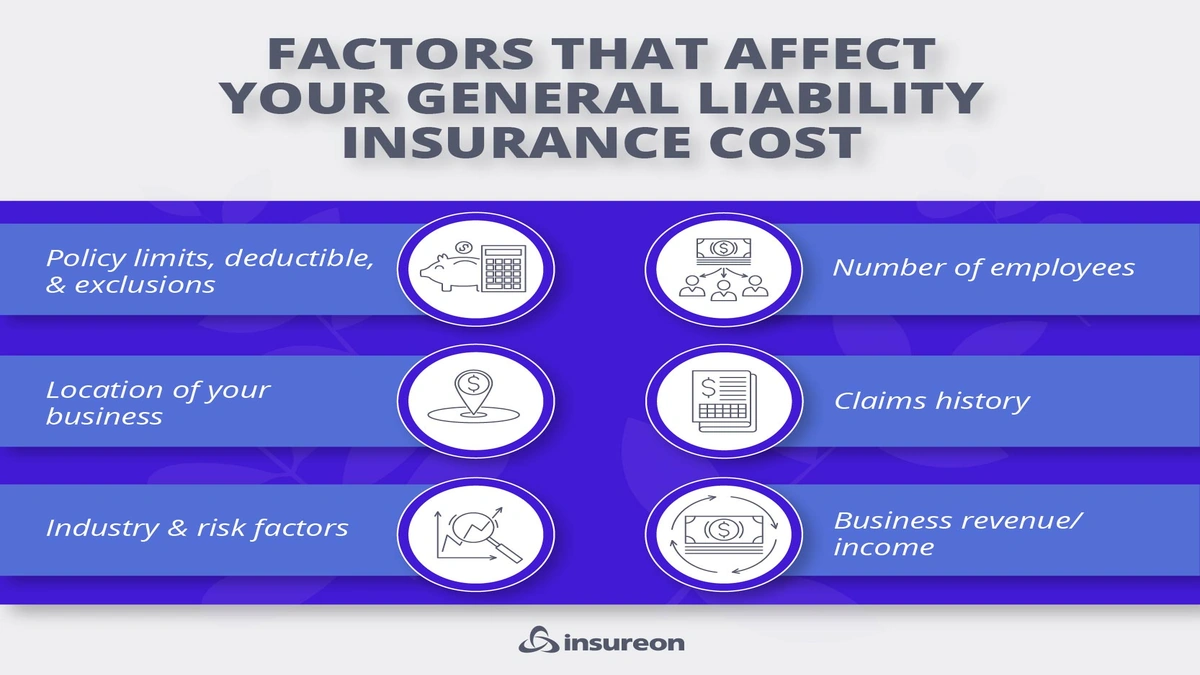
“How much is this going to cost me?” It’s the question on every startup founder’s mind. The truth is, there’s no one-size-fits-all answer. The cost of online business insurance for startups USA can vary widely, but here are the primary factors influencing your premiums:
- Your Industry: A freelance writer typically faces lower risks than a startup developing medical software.
- Revenue & Size: Larger businesses with higher revenue generally pay more, as their potential liabilities are greater.
- Number of Employees: More employees mean higher workers’ comp and potentially higher general liability risks.
- Location: State-specific regulations and local risk factors can play a role, even for online businesses.
- Claims History: A clean claims history often leads to lower premiums.
- Coverage Limits & Deductibles: Higher limits and lower deductibles mean higher premiums, and vice-versa.
Tips for potentially saving money without compromising essential coverage:
- Bundle Policies: As mentioned with the BOP, bundling policies like GL and commercial property can often be cheaper than buying them separately.
- Increase Deductibles: If you have a healthy emergency fund, opting for a higher deductible can significantly lower your monthly or annual premiums. Just ensure you can comfortably afford the deductible if a claim arises.
- Implement Robust Risk Mitigation: Show insurers you’re proactive! Strong cybersecurity measures, clear contracts, regular data backups, and employee training can sometimes lead to lower premiums.
- Shop Around Annually: Your business evolves, and so do insurance offerings. Don’t be afraid to get new online insurance quotes each year.
Frequently Asked Questions About Online Business Insurance for Startups in the USA
What exactly is small business insurance?
Small business insurance is a broad term for various policies designed to protect small enterprises from financial losses due to risks like property damage, liability claims, cyberattacks, and employee injuries. For online startups, it specifically includes coverage for digital-centric risks.
Do I need cyber insurance if I use third-party payment processors?
Yes, absolutely. While third-party processors handle the actual payment data, your business still interacts with customer information (emails, names, purchase history), and you remain responsible for how you manage that data before and after it reaches the processor. Cyber insurance covers your specific liabilities in the event of a breach.
How much does online business insurance for startups USA typically cost?
It varies widely based on factors like your industry, revenue, number of employees, and the specific policies you choose. A very small, low-risk online business might pay a few hundred dollars annually for basic coverage, while a larger tech startup could pay several thousands. Getting customized online insurance quotes is the best way to determine your cost.
Can I get liability coverage for online businesses if I work from home?
Yes. Your homeowner’s policy typically offers very limited business coverage. You will need a dedicated liability coverage for online businesses policy, such as General Liability and potentially a Business Owner’s Policy, even if your office is in your spare bedroom.
When should my startup risk management plan include insurance?
Ideally, you should consider insurance from day one, or at least before your first customer interaction or contract signing. Proactive startup risk management means having protection in place before an incident occurs, not scrambling to get it afterward.
Where can I find reliable online insurance quotes?
You can find reliable online insurance quotes through specialized online brokers that cater to small businesses and startups, or by contacting traditional insurance carriers directly. Many platforms allow you to compare multiple quotes from different providers.
The Unspoken Truth | Insurance as a Growth Enabler
So often, insurance is viewed as a burdensome expense, a necessary evil. But for a startup, particularly in the dynamic online space, I see it as a powerful enabler of growth. It’s the unseen scaffolding that allows you to take bigger, bolder risks, knowing you have a safety net. It allows you to innovate without the constant fear of a single misstep derailing your entire vision. When you prioritize robust online business insurance for startups USA , you’re not just buying a policy; you’re investing in peace of mind, credibility, and the long-term resilience of your entrepreneurial dream. Don’t just launch your business; launch it protected.


