
Hey there, fellow parent. Or maybe you’re just someone curious about the ever-evolving landscape of education in the U.S. Either way, let’s grab a virtual coffee, because we need to talk about something that’s become a real hot topic: parental opt-out rights in education. It’s not just a legal term; it’s a conversation about values, choices, and where the line is drawn between a school’s curriculum and a family’s beliefs. And frankly, it’s a conversation that can feel a bit overwhelming if you don’t know where to start.
I mean, navigating school policies can be like trying to read a map drawn by a toddler – confusing, full of unexpected turns, and sometimes you just want to throw your hands up and say, “Just tell me where we’re going!” But here’s the thing: understanding your rights, especially your parental opt-out rights, empowers you to be an active, informed participant in your child’s educational journey. It’s about more than just pulling your kid out of one specific lesson; it’s about advocating for what you believe is best for their growth and well-being. And in today’s diverse and often polarized world, knowing how to do that effectively is more crucial than ever.
This isn’t just about what’s making headlines; it’s about the underlying shifts in how we view the partnership between home and school. It’s about recognizing the increasing calls for parental involvement in schools, not just in bake sales, but in the substantive decisions that shape what and how children learn. So, let’s peel back the layers and understand what these rights truly mean for you and your family.
The Shifting Sands | Why Parental Opt-Out Rights Are Taking Center Stage
Have you noticed how much more we’re talking about parental rights in education these days? It feels like every other news cycle has a story about a new state law or a school board meeting grappling with this very issue. Why now? Well, there isn’t one simple answer, but it’s a fascinating confluence of factors. Culturally, we’ve seen a growing desire forcurriculum transparency. Parents want to know, in detail, what their children are being taught, and rightfully so. The digital age has also played a role; information (and misinformation) spreads rapidly, fueling both genuine concerns and sometimes, unnecessary panic.
But beyond the immediate headlines, what fascinates me is the deeper societal currents at play. We’re seeing a powerful resurgence in conversations around parental autonomy versus state authority in raising children. This isn’t entirely new, of course; these discussions have ebbed and flowed throughout American history. Yet, the intensity feels different now. It’s a reflection of deepereducation policy debates, often fueled by differing views on values, civics, and the role of public education in shaping young minds. Some argue schools are overstepping, venturing into areas traditionally reserved for families. Others contend schools have a vital role in preparing students for a complex world, requiring exposure to diverse perspectives.
So, when we talk aboutparental opt-out rights in education, we’re really talking about where these two powerful forces – family and institution – intersect. It’s not always a battle, though it often gets framed that way. Sometimes, it’s about finding common ground, ensuring that a child’s educational experience aligns with their family’s core beliefs, particularly when it comes to sensitive topics. It’s also about recognizing the diversity of families within a school community and trying to build a system that respects that pluralism.
The implications are profound, extending beyond just what’s taught in a classroom. They touch on school funding, teacher autonomy, and even community cohesion. Understandingwhythese rights are so prominent right now helps us approach the topic not just as a compliance issue, but as a crucial aspect of modern American education.
Deciphering Your Rights | What Exactly Can You Opt Out Of?
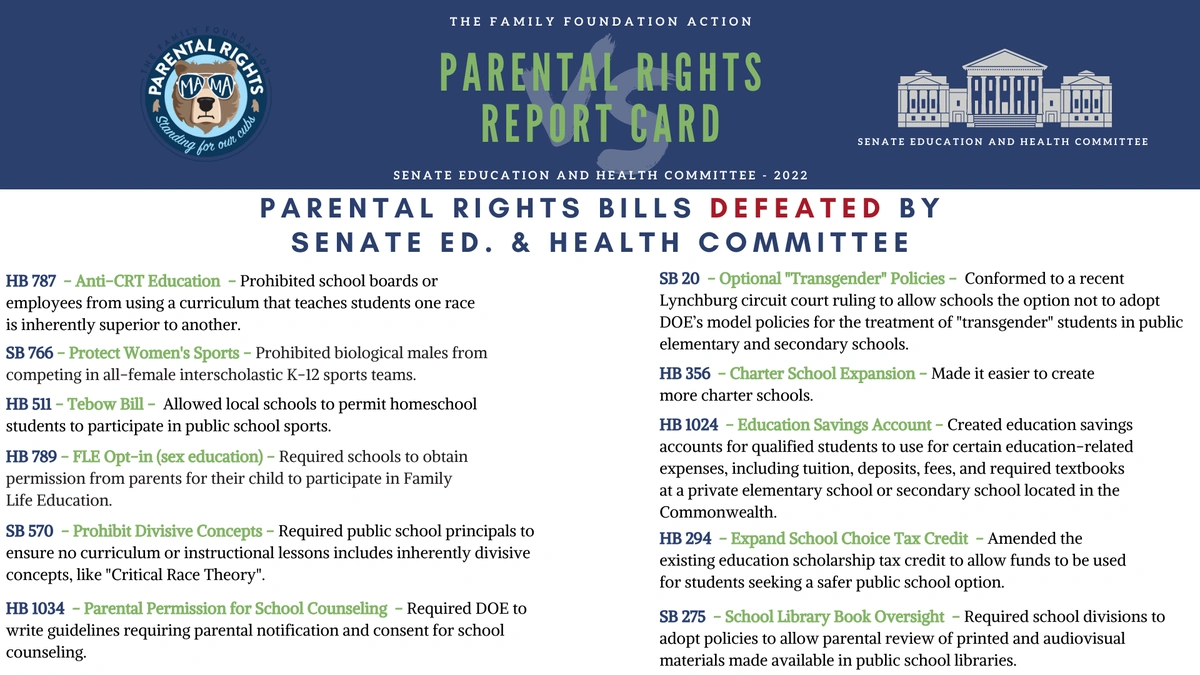
Okay, so we’ve establishedwhythis is a big deal. Now for the practical bit:whatcan you actually opt out of? This is where it gets a little nuanced, because it’s not a universal “get out of jail free” card for any lesson you disagree with. Generally,parental opt-out rights in educationprimarily revolve around instruction or activities related to specific topics deemed sensitive or controversial, or those that might conflict with deeply held religious or moral beliefs.
Let me rephrase that for clarity: you’re usually looking at areas like comprehensive sex education, certain health education topics (like vaccinations or specific mental health programs), lessons involving certain cultural or religious perspectives that might conflict with your family’s own, or materials that might be considered age-inappropriate. For example, many states have provisions forreligious exemptions education, allowing parents to remove their children from lessons that directly contradict their faith.
A common area of concern for parents involves surveys or data collection activities that might delve into a student’s personal beliefs, family income, or other sensitive information. This often falls under the umbrella ofstudent privacy laws, like FERPA (Family Educational Rights and Privacy Act) at the federal level, which gives parents certain rights regarding their child’s education records. While FERPA doesn’t directly grant opt-out rights from curriculum, it underscores the broader principle of parental control over information related to their child.
It’s crucial to remember that these rights aren’t uniform across the entire country. They can vary significantly by state and even by individual school district. Some states have much broader “opt-out” or “right-to-know” statutes than others. For instance, a state might mandate that parents be notified before any instruction on human sexuality, giving them the explicit right to opt their child out. Other states might not have such explicit mandates, meaning the specifics are left up to local district policy. This is why a little homework on your local district’s guidelines is absolutely essential.
So, while the general principle ofparental opt-out rights in educationexists, the devil, as always, is in the details of your specific state and local regulations. Don’t assume; investigate. That’s my number one piece of advice here.
The “How-To” | Navigating the Opt-Out Process with Confidence
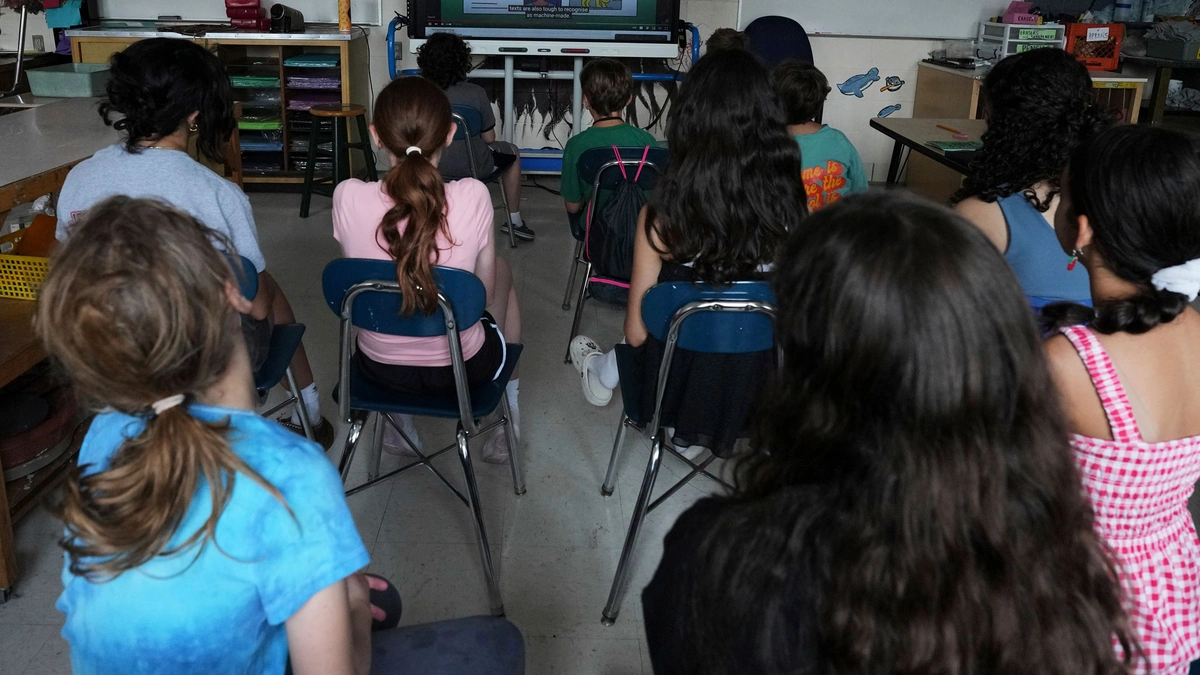
Alright, so you understand the “why” and the “what.” Now for the “how.” Exercising yourparental opt-out rights in educationeffectively isn’t about confrontation; it’s about clear communication, knowing the rules, and following established procedures. Trust me, approaching this from an informed and respectful place usually yields far better results than coming in hot.
- Do Your Homework (Seriously!): The very first step is to understand your school district’s specific policies. Most districts have a policy manual, often available on their website. Look for sections on parental rights, curriculum challenges, health education, or specific parental rights legislation that your state might have enacted. This is where you’ll find the official channels and forms. I’ve seen too many parents assume their rights based on what they heard online, only to find their local policies are quite different.
- Start with Communication: Before firing off formal letters, consider a polite conversation with your child’s teacher or school administrator. Sometimes, a misunderstanding can be cleared up, or an alternative accommodation can be found informally. Explain your concerns clearly and calmly. Remember, teachers are professionals who generally want what’s best for their students, and often appreciate parents who engage constructively.
- Formalize Your Request (If Necessary): If informal communication doesn’t resolve the issue, or if the policy explicitly requires it, you’ll need to submit a formal written request. This letter should clearly state your child’s name, grade, the specific instruction or activity you wish to opt out of, and the reason (e.g., religious objection, conflict with family values). Reference the specific school or state policy if you can. Keep a copy of everything you send, including dates. This paper trail is invaluable.
- Understand the Alternatives: If your child is opted out of a lesson, what happens instead? Will they be sent to the library? Given an alternative assignment? Sent to another classroom? Make sure you understand the logistical implications. Sometimes, this might even involve exploring school choice implications if the philosophical differences become too significant for your family within the public school system.
- Follow Up Respectfully: If you don’t hear back within a reasonable timeframe, follow up. Again, be polite but persistent. “Just checking in on the status of my request from [date] regarding…” is perfectly appropriate.
Remember, this process is about asserting your rights, not necessarily challenging the school’s overall mission. It’s about ensuring your child’s education aligns with your family’s values. And by taking these steps, you demonstrate that you are a serious, engaged partner in your child’s learning.
Beyond the Classroom | Broader Implications of Parental Opt-Out Rights

When we discussparental opt-out rights in education, it’s easy to get caught up in the immediate, individual impact. But these rights have much broader implications that ripple through the entire educational ecosystem. For one, they highlight the ongoing tension between individual family values and the collective responsibility of public education to serve a diverse student body. It forces schools to consider how to teach potentially sensitive topics in a way that is both comprehensive and respectful of varying viewpoints.
One significant implication is the heightened focus oncurriculum transparency. When parents know they have the right to opt out, schools are increasingly pressured to make their instructional materials, lesson plans, and even full curricula easily accessible. This isn’t just good practice; it’s becoming a necessity. It fosters trust and can pre-empt many opt-out requests by ensuring parents are informed from the outset.
There’s also the impact onparental involvement in schoolsmore broadly. When parents feel heard and respected in these crucial decisions, it can strengthen the school-home partnership across the board. Conversely, if the process is opaque or dismissive, it can erode trust and lead to greater division. It’s a delicate balance, requiring open dialogue and mutual respect from both sides.
On the flip side, some critics worry that widespread opting out could fragment the curriculum, making it harder for schools to provide a cohesive, universal education experience. They argue that certain topics, while sensitive, are essential for civic literacy and preparing students for the real world. This concern is valid and forms a critical part of the largereducation policy debates. How do we ensure robust education while respecting individual liberties?
Ultimately, the discussion around parental opt-out rights is a microcosm of larger debates in American society about freedom, authority, and the future of our children. It challenges us to think deeply about what we want our schools to achieve and what role families play in that grand endeavor.
So, there you have it.Parental opt-out rights in educationaren’t just a fleeting trend; they’re a fundamental aspect of the evolving relationship between families and schools in the United States. Understanding these rights, knowing how to exercise them, and appreciating their broader context equips you, the parent, with the knowledge to make informed decisions for your child. It’s about being empowered, not just reactive, in a world where education is constantly changing. Keep learning, keep asking questions, and most importantly, keep advocating for your kids.
Frequently Asked Questions About Parental Opt-Out Rights
What are parental opt-out rights in education?
They are legal provisions allowing parents to remove their child from specific school instruction or activities that conflict with family beliefs.
Do all states have the same opt-out laws?
No,parental opt-out rights in educationvary significantly by state and even by local school district policies.
Can I opt my child out of any school subject?
Generally, no. Opt-out rights typically apply to specific sensitive topics, not core academic subjects like math or reading.
What should I do first if I want to opt my child out?
Begin by researching your specific school district’s policies and then communicate your concerns with school staff.
Will opting out negatively affect my child’s grades?
Not usually, as schools are generally required to provide alternative, non-punitive assignments or accommodations for opted-out students.