
We’ve all been there, right? You turn the key, that dreaded click… and silence. Or worse, the engine sputters a feeble sigh before giving up the ghost entirely. It’s the quintessential bad morning, often brought on by a dead car battery. And in that moment, when you’re staring down the barrel of a missed appointment or a delayed adventure, there’s one tool you absolutely pray you have, or that someone nearby possesses: a reliable set ofjumper cables automotive. But here’s the thing: not all jumper cables are created equal. Far from it, in fact. Choosing the right ones isn’t just about grabbing the cheapest pair on the shelf; it’s about investing in a true automotive lifeline. So, let’s grab a virtual coffee, pull up a chair, and dive deep into how to pick the perfect set for your car or truck, and frankly, how to use them without turning a bad morning into a truly disastrous one.
I mean, think about it. You might spend hours agonizing over the perfectautomotive car upholsteryfor your interior, or the latestautomotive clear coatto protect your paint, but do you give the same thought to the unsung heroes of your emergency kit? Probably not. Yet, when your battery goes flat, those cosmetic concerns vanish instantly. What really matters is getting back on the road. This isn’t just a buying guide; it’s a practical masterclass in empowering yourself for those inevitable roadside moments. We’ll cut through the jargon, talk about what truly matters, and ensure you’re equipped with the knowledge to make smart choices. Because really, peace of mind on the road? That’s priceless.
Why Not All Jumper Cables Are Created Equal | Understanding the “How”
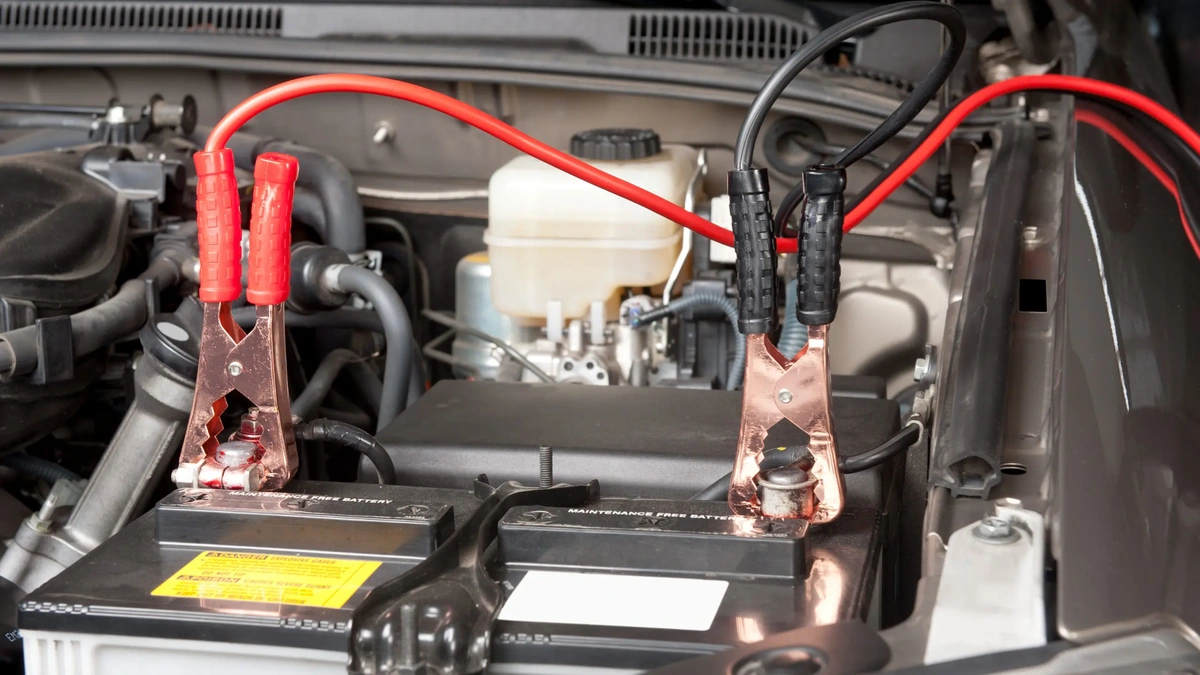
Let’s get down to brass tacks: the world ofjumper cables automotiveisn’t as simple as red goes to red, black goes to black. There’s science, and frankly, some crucial safety considerations at play. The biggest differentiator? The gauge of the wire. This is probably the most vital piece of information you need when choosing your cables, and it’s where many people stumble.
So, what exactly is gauge? Think of it like a garden hose. A thicker hose (lower gauge number) allows more water (electrical current) to flow through without resistance or overheating. Jumper cable gauge works the same way: the lower the gauge number, the thicker the cable, and the more current it can carry safely and efficiently. For instance, 4-gauge cables are significantly thicker and more robust than 10-gauge cables. If you’re trying to jump a big V8 truck with thin 10-gauge cables, you’re not going to have much luck, and you risk damaging the cables or, even worse, your vehicle’s electrical system due to excessive heat. This is whereheavy-duty booster cablesreally shine. They’re designed for the heavy lifting, especially for larger vehicles or in colder climates where batteries are more sluggish.
I’ve personally seen folks trying to use flimsy cables on a stubborn engine, and it often ends in frustration, maybe a wisp of smoke, and definitely no jump. The cable length also plays a role. Longer cables (20-25 feet) offer more flexibility when positioning vehicles, which is great, but they also introduce more resistance. So, if you opt for longer cables, you really need to ensure they have a low gauge (thick wire) to compensate. A great rule of thumb, especially for colder climates or larger engines, is to aim for 2-gauge or 4-gauge cables. This ensures a properjumper cable gauge guidethat can handle almost any situation you throw at it.
Beyond gauge, consider the material of the clamps. You want strong, well-insulated clamps that can securely grip the battery terminals without slipping. Copper-clad aluminum is common, but solid copper clamps offer superior conductivity and durability. The insulation around the cables themselves is also critical – it protects the wires from damage and you from accidental shocks. Look for cables with good, flexible insulation that won’t crack in extreme temperatures. After all, you want these tools to last, not become another casualty in your garage.
Choosing Your Automotive Lifeline | What to Look For
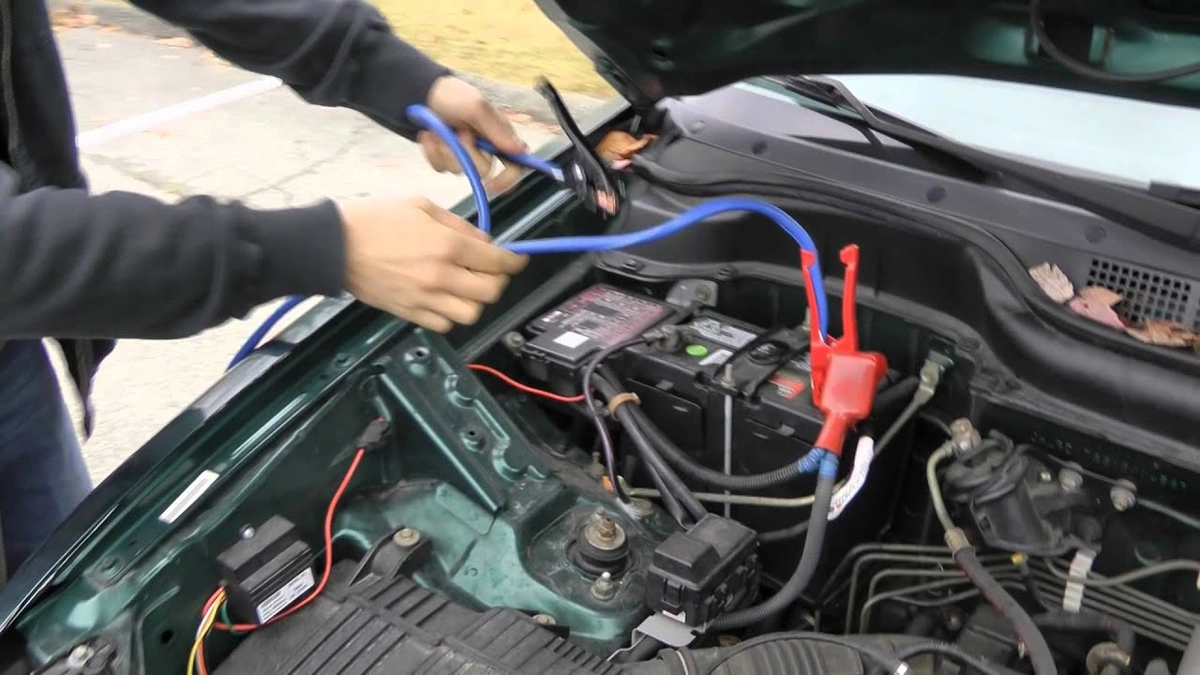
Okay, now that we understand the technical bits, let’s talk practical selection. When you’re standing in an auto parts store, or browsing online, what are the key features that scream ‘buy me!’ and what should make you pause?
Firstly, as we discussed,gauge is king. For standard cars, a 6-gauge cable is usually sufficient, but for SUVs, trucks, or diesel engines, I highly recommend 2-gauge or 4-gauge. Seriously, don’t skimp here. The difference in price is often negligible compared to the peace of mind and performance you get. Secondly, length matters. While I mentioned longer cables have more resistance, the convenience often outweighs that if you’re choosing a low-gauge cable. Imagine trying to jump-start a car in a tight parking lot where you can’t get the vehicles bumper-to-bumper. A 20-foot or 25-foot set ofjumper cables automotivewill save you a headache.
Third, think about the clamps. High-quality clamps will be sturdy, have strong springs, and feature a wide jaw opening to fit various battery terminals. Many even come with a plastic coating on the clamp handles, offering an extra layer of protection during use. Some modern cables also include surge protection to prevent damage to sensitive vehicle electronics, which is a fantastic feature if you can find it. Given the increasing complexity of modern vehicles, protecting your car’s brain (the ECU) is crucial. And while we’re on the subject of protecting your vehicle, it’s worth noting that caring for other aspects, like yourautomotive clear coat, also requires specialized tools and knowledge, much like these essential electrical tools.
Consider storage. Do the cables come with a carry bag? This might seem like a small detail, but tangled cables in your trunk are a pain, and a proper bag keeps them organized and protected from potential damage. Brands like Stanley, Cartman, and EPAuto often offer good quality for the price. When you’re looking for generalautomotive electrical tools, you’ll see a lot of variation, so understanding specific needs like jumper cables is key. If you’re wondering about specific recommendations, places likeCal AutomotiveorSTS Automotiveshops often have knowledgeable staff who can guide you on robust choices, especially if you’re concerned about consistent vehicle battery performance andvehicle battery maintenance.
The Art of the Jump | A Step-by-Step Guide (and Common Pitfalls)
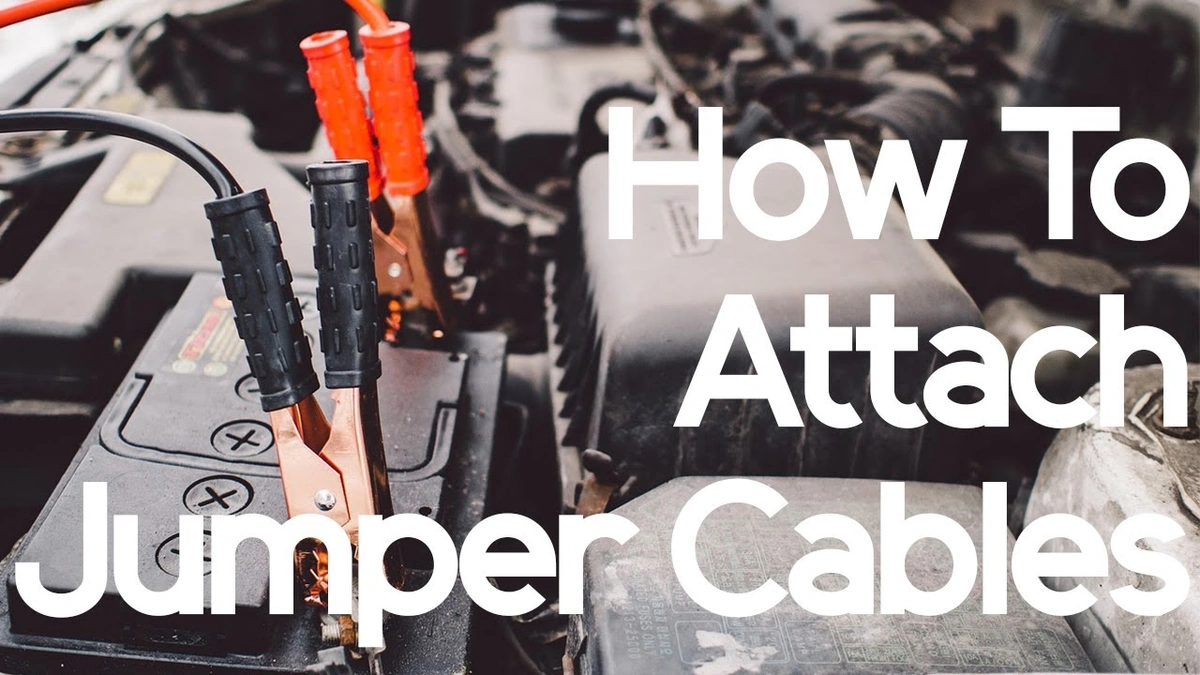
Alright, you’ve got your awesome newjumper cables automotive. Now what? Knowing how to use them correctly is just as important as having them. Let me walk you through the process, emphasizing key safety steps. This isn’t just about getting power; it’s about practicing properbattery jump start safety.
- Positioning is Key: Park the good car (the one with the working battery) as close as possible to the dead car, but not touching. Ensure both vehicles are in Park (automatic) or Neutral (manual) with the parking brake engaged. Turn off both engines and all electrical accessories (lights, radio, AC).
- Identify Terminals: Locate the positive (+) and negative (-) terminals on both batteries. They’re usually clearly marked and often color-coded (red for positive, black for negative). Give them a quick clean if they’re corroded.
- Connect Red to Dead Positive: Take one red clamp and connect it securely to the positive terminal of the dead battery.
- Connect Red to Good Positive: Take the other red clamp and connect it securely to the positive terminal of the good battery.
- Connect Black to Good Negative: Take one black clamp and connect it securely to the negative terminal of the good battery.
- Connect Black to Metal (Ground) on Dead Car: This is crucial for safety! Connect the other black clamp to an unpainted, metal surface on the engine block or frame of the dead car, away from the battery and moving parts. This grounds the circuit and prevents sparks near the battery, which can emit flammable hydrogen gas. This step is vital for avoiding potential battery explosions.
- Start the Good Car: Start the engine of the good car and let it run for 5-10 minutes. This allows the good battery to charge the dead one.
- Start the Dead Car: After waiting, try to start the dead car. If it doesn’t start immediately, wait a few more minutes and try again.
- Disconnect in Reverse Order: Once the dead car starts, disconnect the cables in the reverse order of how you connected them: black from the dead car’s ground, black from the good car’s negative, red from the good car’s positive, and finally, red from the dead car’s positive.
A common mistake I see people make is connecting the black clamp directly to the dead battery’s negative terminal. While this can work, it significantly increases the risk of a spark igniting hydrogen gas, which can lead to a battery explosion. Always use an unpainted metal ground point on the engine block for that final negative connection on the dead vehicle. Also, don’t rush the process, especially duringcold weather car starting, where batteries are often more depleted and take longer to regain charge.
Beyond the Basics | Accessories and Longevity
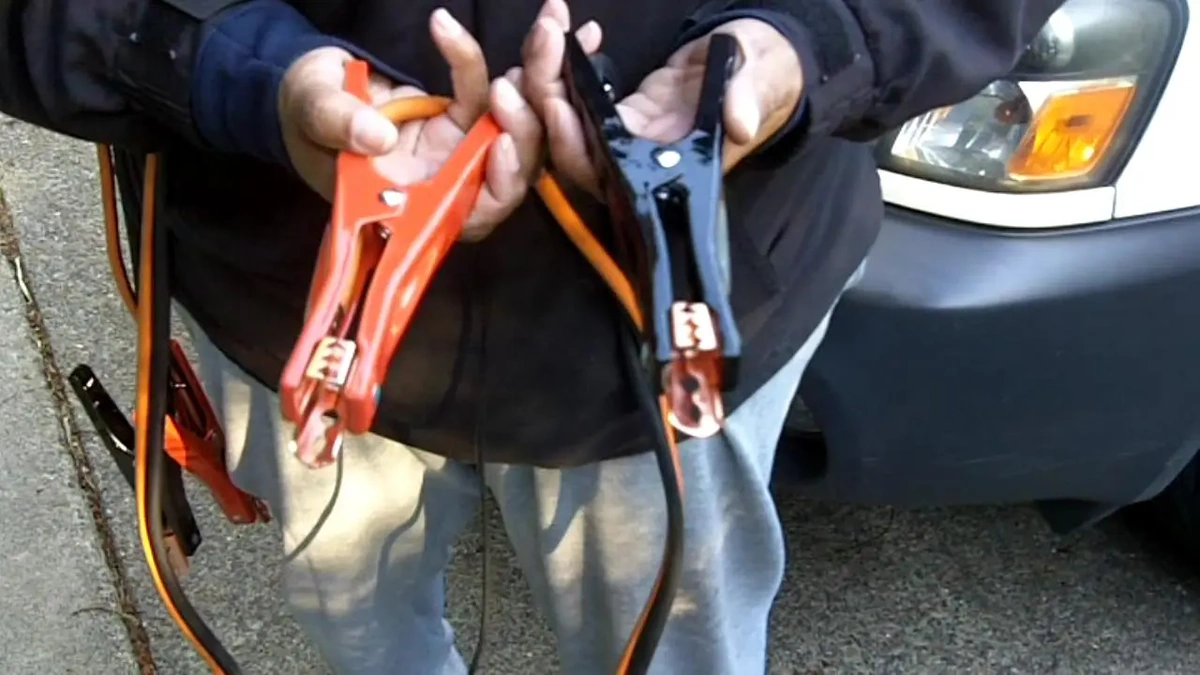
While traditionaljumper cables automotiveare essential, the automotive world has evolved. For those who prefer ultimate convenience or often find themselves without a second vehicle to jump from, aportable car jump starteris a fantastic investment. These compact, battery-powered devices can give your dead battery enough juice to start your engine without needing another car. They’re super handy, often come with built-in flashlights, and some even have USB ports for charging your phone. Think of it as a personal, pocket-sized hero for your car.
However, it’s important to remember that a portable jump starter is generally designed for starting, not fully recharging, a battery. If your battery frequently dies, it’s a sign that it might be time for a replacement, or you have an underlying electrical issue. Regularvehicle battery maintenance, like checking terminal cleanliness and battery fluid levels (if applicable), can extend your battery’s life and reduce your reliance on jumper cables. You wouldn’t neglect yourautomotive car upholstery, so don’t neglect your battery!
To ensure your jumper cables last, always store them neatly – ideally in a non-conductive bag or case. Keep them dry and away from harsh chemicals. Inspect them periodically for frayed wires, cracked insulation, or corroded clamps. Good quality cables, cared for properly, can last for decades, ready to be your trusty companion when you or a friend are in a pinch. After all, being prepared is half the battle, and having the bestjumper cables automotivein your trunk is a smart move for any driver.
Frequently Asked Questions About Jumper Cables Automotive
What’s the best gauge for jumper cables automotive?
For most cars, 6-gauge is good; for trucks/SUVs, 2-gauge or 4-gaugejumper cables automotiveare highly recommended for optimal performance.
How long should jumper cables be?
A length of 20 to 25 feet offers good flexibility for vehicle positioning, especially in challenging parking situations.
Can I jump-start a car with a completely dead battery?
Yes, but it might take longer for the dead battery to get enough charge, especially with thinnerjumper cables automotive.
Is it safe to jump-start a hybrid car?
Jump-starting hybrid cars can be tricky. Always consult your owner’s manual first, as incorrect procedures can damage sensitive hybrid systems.
What if my car still won’t start after a jump?
If your car won’t start after a jump, the battery might be completely dead, or there could be an issue with the starter motor or alternator.