
Let’s be honest: navigating the world of student loans in the USA can feel like trying to solve a Rubik’s Cube blindfolded. The jargon, the seemingly endless options, the sheer weight of the debt itself – it’s enough to make anyone want to throw in the towel. But what if I told you there’s a powerful tool, often misunderstood, that could dramatically change your financial future? We’re talking aboutincome driven repayment student loans(IDR), and understanding them isn’t just about making your monthly payment manageable; it’s about strategic financial relief and, for many, a clear path to loan forgiveness. Here’s the real deal on how these plans work, why they matter, and how you can make them work for you.
For years, I’ve seen countless individuals feeling trapped by their education debt. They make payments month after month, seeing little progress on their principal balance, often feeling like they’re just treading water. The “standard” 10-year repayment plan, while straightforward, simply isn’t feasible for everyone, especially those starting out in lower-paying fields or facing unexpected financial hardship. That’s where IDR plans step in, offering a crucial lifeline. They aren’t a magic wand, but they are a government-backed mechanism designed to adjust your monthly obligation based on what you actually earn, not just what you owe. The trick, though, is understanding the nuances, the eligibility requirements, and critically, how to leverage them effectively. Let’s dive in.
What Exactly Are Income-Driven Repayment Plans, Anyway?
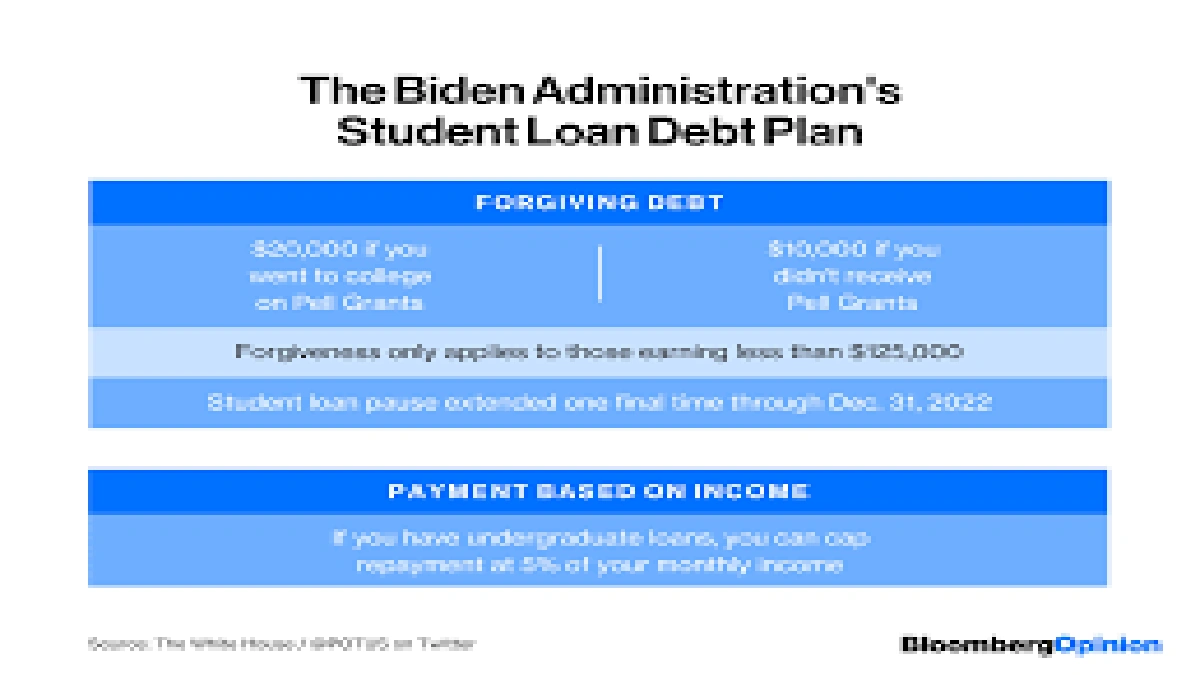
At its core, an income driven repayment plan is exactly what it sounds like: your student loan payment is calculated based on your discretionary income and family size, rather than a fixed amount tied solely to your loan balance. This is a game-changer for many borrowers, especially those with high loan balances relative to their earnings. Instead of a one-size-fits-all approach, IDR plans acknowledge that life happens, and income can fluctuate. This approach is specifically forfederal student loans, offering a safety net that private loans simply don’t have.
The beauty of these plans lies in their flexibility. If your income is low enough, your monthly payment could be as little as $0. Yes, you read that right. And even if your payment doesn’t cover the interest that accrues, some plans offer interest subsidies to prevent your loan balance from ballooning out of control. This is a vital piece of the puzzle, as interest capitalization can often be a silent killer of financial progress. The goal here isn’t just to lower your payment; it’s to provide sustainable financial relief while you work towards a more secure financial future, and ultimately, potential loan forgiveness.
Decoding the Alphabet Soup | A Closer Look at the Main IDR Plans (Including SAVE!)
When you start looking into IDR plans , you’ll quickly encounter an alphabet soup of acronyms: IBR, PAYE, ICR, and the newest, most talked-about plan, SAVE. Each has its own specific rules, repayment periods, and nuances regarding interest and forgiveness. Understanding these differences is crucial for choosing the right path for your unique financial situation.
- Income-Based Repayment (IBR): This was one of the original IDR options. Your payments are generally 10% or 15% of your discretionary income, capped at what you’d pay on the 10-year Standard Plan. Forgiveness typically occurs after 20 or 25 years, depending on when you borrowed.
- Pay As You Earn (PAYE): Generally, payments are 10% of your discretionary income, and never more than what you’d pay under the 10-year Standard Plan. Forgiveness is after 20 years. PAYE is often a good option for newer borrowers with a relatively high debt-to-income ratio.
- Income-Contingent Repayment (ICR): This plan calculates your payment as either 20% of your discretionary income or what you’d pay on a fixed 12-year plan, whichever is less. Forgiveness happens after 25 years. ICR is the only IDR plan available for Parent PLUS Loan borrowers (after consolidation).
- Saving on a Valuable Education (SAVE) Plan: This is the newest and, for many, the most beneficial IDR plan, replacing the REPAYE plan. For undergraduate loans, payments are just 5% of your discretionary income (down from 10-15% on other plans). Graduate loan payments are 10%. A huge benefit? Unpaid interest doesn’t capitalize as long as you make your monthly payment, meaning your loan balance won’t grow if your payment isn’t enough to cover the accruing interest. This is monumental. Forgiveness can happen as early as 10 years for small original balances, extending to 20 or 25 years for higher balances or graduate loans. The formula for discretionary income is also more generous, excluding more of your earnings. The SAVE Plan is a game-changer for reducing your monthly payment and preventing balance growth.
The calculation for your payment amount revolves around yourAdjusted Gross Income (AGI), which you can find on your tax return, and your family size. The Department of Education then uses a formula to determine your discretionary income, which is essentially the difference between your AGI and a percentage of the poverty guideline for your family size. The lower your AGI and the larger your family, the lower your payment tends to be. It sounds complex, but your loan servicer can help you navigate these details.
Is IDR Right for You? Navigating Your Repayment Options
Choosing an IDR plan isn’t a decision to take lightly, but for many, it’s the wisest financial move they can make. So, who benefits most? Typically, those with high debt loads relative to their income, individuals working in public service, or those experiencing current or anticipated financial hardship . If you’re struggling to afford your current payments, or if you want to pursue a career path that may not offer high immediate earnings but aligns with your passions, IDR can provide the breathing room you need.
However, it’s not without its considerations. While your payment amount might be lower, it can mean you’re extending your repayment period significantly. This isn’t inherently bad, especially if it leads to loan forgiveness , but it’s a trade-off to be aware of. Also, you need to recertify your income and family size annually. Missing this deadline can lead to your payments reverting to the standard plan amount and potential interest capitalization – something you definitely want to avoid! This is where staying organized and proactive with your loan servicer comes into play. They are your primary point of contact for these matters.
The Path to Loan Forgiveness | What You Need to Know
One of the most compelling aspects of income driven repayment student loans is the promise of loan forgiveness. After a certain period (20 or 25 years for most IDR plans, or as little as 10 years under the new SAVE plan for some balances), any remaining loan balance is forgiven. This can be life-changing, freeing you from a debt burden that might otherwise follow you well into retirement.
There’s also the Public Service Loan Forgiveness (PSLF) program, which, while distinct from standard IDR forgiveness, requires you to be on an IDR plan to qualify. If you work for a government agency (federal, state, local, or tribal) or a qualified non-profit organization, PSLF can forgive your remaining balance after just 120 qualifying monthly payments (10 years) while working full-time for a qualifying employer. This is a massive boon for those in public service roles, offering a much faster track to being debt-free. It’s a powerful incentive for pursuing careers that often serve the public good, but may not be as lucrative.
A crucial point to remember for regular IDR forgiveness (not PSLF) is that the forgiven amount may be considered taxable income by the IRS. This is a detail many overlook, and it can result in a significant tax bill in the year your loans are forgiven. However, there are ongoing discussions and potential legislative changes around this, so it’s always wise to consult with a tax professional as you approach your forgiveness date. For now, plan for it, but stay informed about any changes.
Practical Steps | How to Enroll and Manage Your IDR Plan
Ready to explorerepayment optionsthat align with your income? The process isn’t as daunting as it might seem. Here’s a streamlined guide to getting started and staying on track:
- Gather Your Documents: You’ll need information like your federal student loan account numbers, your recent tax return (to verify your AGI), and details about your current income (pay stubs, unemployment benefits, etc.).
- Contact Your Loan Servicer: This is your first and most important step. Your servicer can explain the specific IDR plans available to you, help you estimate your potential payments, and guide you through the application process. Don’t hesitate to ask questions!
- Apply Online or Via Mail: You can typically apply for an IDR plan directly on StudentAid.gov or by submitting a paper application to your loan servicer. The online application is generally faster and easier.
- Choose Your Plan: Based on the information and payment estimates, select the IDR plan that best fits your financial goals and current situation. For many, especially with undergraduate loans, the new SAVE plan offers the most generous terms.
- Recertify Annually: This is non-negotiable! Every year, you’ll need to resubmit proof of your income and family size. Your servicer will send you reminders, but it’s a good idea to mark your calendar. If you miss this, your payments could jump, and unpaid interest might capitalize.
- Monitor Your Loans: Keep an eye on your loan balance and payment history. Make sure your payments are being counted correctly towards potential forgiveness. If you notice any discrepancies, contact your servicer immediately.
Taking control of your student loan payments feels incredibly empowering. By understanding and utilizing IDR plans, you’re not just reacting to your debt; you’re actively managing it, carving out a path to financial freedom. This proactive approach can alleviate significant stress and allow you to focus on building your life, rather than just surviving your loan statements.
Frequently Asked Questions About Income-Driven Repayment
What types of student loans are eligible for IDR plans?
Generally, only federal student loans are eligible for income-driven repayment plans. This includes Direct Subsidized Loans, Direct Unsubsidized Loans, Direct PLUS Loans (for graduate students), and Direct Consolidation Loans. FFEL Program loans may become eligible after consolidation into a Direct Consolidation Loan.
Will my loan balance ever be forgiven under an IDR plan?
Yes, any remaining balance on your federal student loans will be forgiven after 20 or 25 years of qualifying payments under most IDR plans (or as little as 10 years for some under the SAVE Plan). However, the forgiven amount may be considered taxable income by the IRS, so it’s important to plan for potential tax implications.
What happens if I miss my annual IDR recertification?
If you don’t recertify your income and family size annually, your monthly payment will likely revert to the higher standard repayment amount. Any unpaid interest may also capitalize (be added to your principal balance), increasing the total amount you owe. It’s crucial to stay on top of this deadline.
Can I switch between different IDR plans?
Yes, in many cases, you can switch between IDR plans. However, depending on the specific plans and your circumstances, you might be required to make a payment under the Standard Repayment Plan for a period, or some accrued interest might capitalize. It’s best to discuss your options with your loan servicer to understand the full implications.
How does the SAVE Plan differ significantly from other IDR plans?
The SAVE Plan, which replaced REPAYE, offers several key advantages: it significantly lowers payments for undergraduate loans (to 5% of discretionary income), and it prevents your loan balance from growing due to unpaid interest if you make your monthly payment. It also has a more generous definition of discretionary income. For many, it’s the most beneficial IDR option available today.
Ultimately, navigating your student loans doesn’t have to be a solo journey fraught with anxiety. With the right information and a proactive approach, you can harness the power of income-driven repayment plans to manage your debt responsibly, work towards a secure financial future, and potentially even achievefull loan forgiveness. It’s about empowering yourself with knowledge and making informed decisions that truly serve your best interests. Don’t let the complexity deter you; your financial peace of mind is worth the effort.